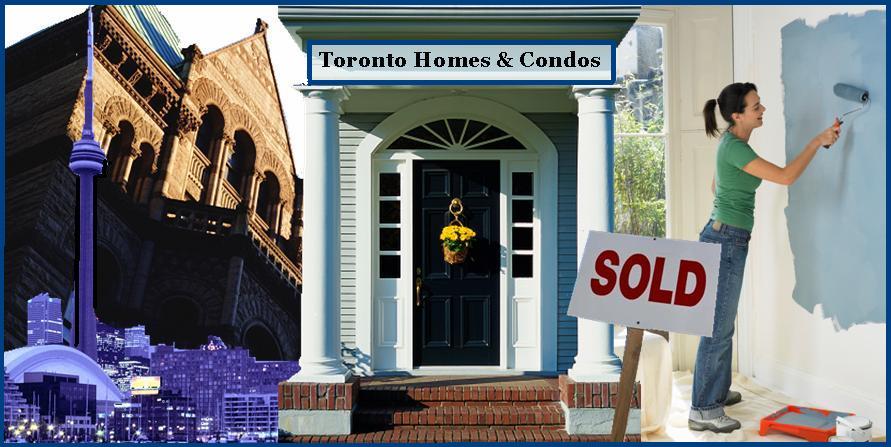
Incentives for first time home buyers, or for home owners to make improvements on their homes were included in the 2009 Federal Budget. Here are some examples of what is being offered:
RRSP Home Buyers Plan Improved
First time home buyers have had an increase in the withdrawal amount allowed from their RRSPs, from $20,000 to $25,000.
Money withdrawn from the RRSP is to be paid back within 15 years. If it is not, it will lose its tax deferred status, and if scheduled annual payments cannot be paid in full, the unpaid amounts must be reported as income.
Tax Credits For Home Buyers
First time home buyers have also seen some relief on a tax credit that can provide up to $750 in tax relief on the purchase of their first home. To qualify neither the homeowner, their spouse or common law partner can have owned and lived in another home in the year of purchase or any of the four preceding years.
Green Grants
Home and property owners can apply for grants of up to $5000 for making eligible energy-efficient improvements, such as upgrading furnaces, increasing insulation etc.
Tax Credits for Home Renovations
Now through January 31, 2010, homeowners can claim a tax credit for up to 15% of renovation expenses between $1,000 and $10,000. Listed below are some examples of what does and does not qualify:
Eligible
*renovating a kitchen, bathroom or basement
*new carpet or hardwood floors
*building an addition, deck, fence or retaining wall
*a new furnace or water heater
*painting the interior or exterior of a house
*resurfacing a driveway
*laying new sod
Ineligible
*purchase of furniture and appliances (e.g. refrigerator, stove, and couch)
*purchase of tools
*carpet cleaning
*maintenance contracts (e.g. furnace cleaning, snow removal, lawn care, and pool cleaning)
For more information on housing related stimulus in the 2009 Budget, visit the Canada Revenue Agency website at www.cra-arc.gc.ca and search for “Home Buyers Plan.”
Showing posts with label home ownership. Show all posts
Showing posts with label home ownership. Show all posts
Thursday, March 19, 2009

Tuesday, January 27, 2009
The Effects of the Land Transfer Tax on Real Estate Sales in Toronto
You’ve probably seen the news lately: real estate sales down by 50% compared to this time last year! Although there are many things to take into consideration like the changing economy and hesitation on behalf of Canadians while watching the real estate market in the states, there are still more sides of the story…
Take, for example, the effects of the Land Transfer Tax, a levy of up to 2% in addition to the province’s taxes, which took effect Feb. 1, 2008.
The C.D. Howe study, “Sand in the Gears”, reported a drop in the number of houses sold in Toronto from February, when the tax was implemented, until August, when the real estate market began to falter. Comparing Toronto sales with those in the suburbs, there has been a 16% decrease in sales and a 1.5% reduction in house prices.
City Councillor Shelley Carroll, the mayor's budget chief, is predicting that the effects felt by the land transfer tax should stabilize in a year or so, but added that the market was artificially inflated when some buyers hurried to purchase their property before it took effect.
None of us has a crystal ball to look into the future, but it will be interesting to see what the real estate numbers in February 2009 will look like. A little less askew?
Take, for example, the effects of the Land Transfer Tax, a levy of up to 2% in addition to the province’s taxes, which took effect Feb. 1, 2008.
The C.D. Howe study, “Sand in the Gears”, reported a drop in the number of houses sold in Toronto from February, when the tax was implemented, until August, when the real estate market began to falter. Comparing Toronto sales with those in the suburbs, there has been a 16% decrease in sales and a 1.5% reduction in house prices.
City Councillor Shelley Carroll, the mayor's budget chief, is predicting that the effects felt by the land transfer tax should stabilize in a year or so, but added that the market was artificially inflated when some buyers hurried to purchase their property before it took effect.
None of us has a crystal ball to look into the future, but it will be interesting to see what the real estate numbers in February 2009 will look like. A little less askew?
Tuesday, January 20, 2009
Property Tax Assessment Appeals
Recently homeowners in Toronto have received their property tax assessments in the mail and I have been asked for advice on what they can do if they feel the assessment is not an accurate reflection of the value of their home. You can appeal the assessment, and I myself have had success in lowering my property taxes by doing so. This may not be the case for everyone, but it might be something you are interested in pursuing nonetheless.
Metropolitan Property Tax Consultants (416-482-3000) are one of the companies in Toronto that provide such a service. They will charge you half of the amount of the savings on your property taxes, and in the case that there are no savings, there is no charge.
By lowering your property taxes you may not only save yourself money, but also increase the appeal of a property you have listed or are thinking of listing.
Metropolitan Property Tax Consultants (416-482-3000) are one of the companies in Toronto that provide such a service. They will charge you half of the amount of the savings on your property taxes, and in the case that there are no savings, there is no charge.
By lowering your property taxes you may not only save yourself money, but also increase the appeal of a property you have listed or are thinking of listing.
Wednesday, October 15, 2008
Preparing Your Home Before Winter Arrives
With the temperatures this past long weekend hovering in the low 20's, it almost seems absurd to be preparing your home for the winter, right? Not so! This is the perfect time to do the cleaning and maintenence that will help keep your heating bills down in the following months, as well as prolong the life of your home and appliances.
Here are some simple things you can do:
1. Furnance maintenence includes:
- Clean or replace filters.
- If forced air, have ducts vacuumed.
- Bleed air from water radiators, if necessary.
2. Make sure smoke alarms & carbon monoxide detectors are in working order, with new batteries.
3. Humidity levels will drop in the winter months, so you will want to be sure you have a humidifier of some sort. If you have a humidifier on your furnace, check that it is scale free: either clean it with a de-scaler or purchase a new filter.
If you are humidifying your living space with a portable unit, make sure you do some research before purchasing. The larger the humidifier, the more maintenence required, but you must also keep in mind the size of the rooms, and also the energy efficiency of the unit.
4. Give your home a really thorough cleaning, so when you seal out the cold, you aren't trapping in all the dust that has blown in with the autumn winds!
5. This is the time for a switch of wardrobe as well: wash your summer clothes before you pack them away, and place some cedar balls in your drawers, and cedar blocks in your closets to protect your knitwear from moths (and avoid the chemicals and strong odours of moth balls!)
6. Keep out the drafts!!!
Doors:
- Install a sweep along the bottoms of your doors, the rubber edge will seal out the wind.
- Apply "sticky foam" on the edges of the door trim
- As extra assurance, install weather stripping to the outside edge of the doorway.
Windows:
Replace window screens with storm windows, then prepare to keep out the drafts:
- One option is removable caulking (be sure to follow directions exactly so as not to damage the window panes or walls).
-Removable draft seal works in much the same way, and is just peeled off like tape in the spring.
- The old standard plastic (just blow-dry to apply) works also.
Heavy drapes can help keep the cold at bay...and remember not to seal *all* the windows, as some fresh air is good to let in once in awhile.
7. Check chimneys for obstructions.
8. Clear eavestroughs of debris.
9. Drain and store outdoor hoses. Close the valve and drain the exterior faucet.
Even these few simple tasks will help winterize your home: keeping you comfortable, lowering monthly bills and maintaining the value of a homeowner's most valuable asset!
Take advantage of these crisp autumn days to talk a walk through the neighbourhood, enjoy the leaves changing colours, and maybe stop into some of the many Toronto homes with an open house!
Here are some simple things you can do:
1. Furnance maintenence includes:
- Clean or replace filters.
- If forced air, have ducts vacuumed.
- Bleed air from water radiators, if necessary.
2. Make sure smoke alarms & carbon monoxide detectors are in working order, with new batteries.
3. Humidity levels will drop in the winter months, so you will want to be sure you have a humidifier of some sort. If you have a humidifier on your furnace, check that it is scale free: either clean it with a de-scaler or purchase a new filter.
If you are humidifying your living space with a portable unit, make sure you do some research before purchasing. The larger the humidifier, the more maintenence required, but you must also keep in mind the size of the rooms, and also the energy efficiency of the unit.
4. Give your home a really thorough cleaning, so when you seal out the cold, you aren't trapping in all the dust that has blown in with the autumn winds!
5. This is the time for a switch of wardrobe as well: wash your summer clothes before you pack them away, and place some cedar balls in your drawers, and cedar blocks in your closets to protect your knitwear from moths (and avoid the chemicals and strong odours of moth balls!)
6. Keep out the drafts!!!
Doors:
- Install a sweep along the bottoms of your doors, the rubber edge will seal out the wind.
- Apply "sticky foam" on the edges of the door trim
- As extra assurance, install weather stripping to the outside edge of the doorway.
Windows:
Replace window screens with storm windows, then prepare to keep out the drafts:
- One option is removable caulking (be sure to follow directions exactly so as not to damage the window panes or walls).
-Removable draft seal works in much the same way, and is just peeled off like tape in the spring.
- The old standard plastic (just blow-dry to apply) works also.
Heavy drapes can help keep the cold at bay...and remember not to seal *all* the windows, as some fresh air is good to let in once in awhile.
7. Check chimneys for obstructions.
8. Clear eavestroughs of debris.
9. Drain and store outdoor hoses. Close the valve and drain the exterior faucet.
Even these few simple tasks will help winterize your home: keeping you comfortable, lowering monthly bills and maintaining the value of a homeowner's most valuable asset!
Take advantage of these crisp autumn days to talk a walk through the neighbourhood, enjoy the leaves changing colours, and maybe stop into some of the many Toronto homes with an open house!
Monday, August 25, 2008
Investing in a Second Property
If you're thinking about buying a house or condo as an investment property, market conditions are definitely in your favour. While the resale housing market has seen a tremendous amount of activity from first-time buyers in the past year, it's also a perfect time for existing homeowners to invest in secondary residential properties.
With record-low interest rates and significantly lower prices it's hard to go wrong - unless, of course you lack the financial means to make the investment. After all, you have to be ready to meet all the obligations that come with owning more than your principal property. For instance, keep in mind that if you intend to rent out the second property, you'll also have to be prepared to deal with tenants and handle maintenance costs.
Leverage
Secondary home ownership is an attractive investment option because it gives you even more leverage than you have with your principal residence. Leverage is when a relatively small amount of your money controls a much larger asset - like a property.
The more leveraged you are, the greater the financial return on your down payment becomes if the value of your property increases. There are very few other investments which can be purchased with such a small percentage of your own money.
Getting Financing
You should be aware that many lenders place non-owner occupied deals in the high-risk category and it's not that unusual to find lenders who will not finance rental units at all - or those who will only finance them if they are insured.
Obviously, lenders will want to know whether the property will carry itself. (Is there sufficient rent to cover the mortgage payment?) Don't make the mistake of assuming that a rental income of $500 per month will carry a mortgage payment of $500 per month. Only a portion of the rent is used to pay the mortgage; the remainder must cover taxes, maintenance, vacancy, bad debt and expenses.
Costs
You should also be aware that the cost of obtaining a mortgage (for legal and appraisal fees) on a non-owner occupied property can be higher than the cost of obtaining a mortgage on an owner-occupied property, when more than one unit - such as a duplex or triplex is involved. Interest rates charged on rental properties might also be higher because some lenders view these properties as being a higher risk.
As mentioned above, the main responsibility of having a second property is being able to carry it financially. And if you're like most people, you'll probably have to rent it to someone as a result.
This is also a great deal of responsibility because you will have to maintain the property in addition to your own principal residence, and you'll be responsible for finding tenants who you trust and feel comfortable with.
This is also a great deal of responsibility because you will have to maintain the property in addition to your own principal residence, and you'll be responsible for finding tenants who you trust and feel comfortable with.
If you'd like more information about purchasing any type of residential property: from a first home to a second property or more, contact Elli or leave a message on the blog.
Monday, July 14, 2008
Summer Home Maintenance Tips
The warm summer months are upon us and most of us have finished spring cleaning and de-cluttering of our homes. However, did you know that there are steps that homeowners should take to protect their investment? The summer months is the best time to get those tasks completed.
Below is a list of items that should be tended too.
1. Clean and check range hood filters over stoves on a monthly basis.
2. If necessary, use a dehumidifier to keep the humidity in the basement at or below 60%.
3. Check basement pipes for condensation or dripping.
4. Refill floor drain in the basement if it doesn’t have enough water.
5. Run water in fixtures that aren’t used on a regular basis (i.e. laundry tub, spare bathroom sink and tub or shower).
6. Deep clean carpets and vacuum the bathroom fan grille.
7. Clean the duct connected to the dryer by unplugging the dryer and disconnecting the duct connected to the dryer. Then take your vacuum and clean the duct.
8. Check windows, door hinges and garage door openers for smooth operation and lubricate if necessary.
9. Make sure water is not leaking into your house along the electrical conduits.
10. Check all paint and caulking.
11. Repair driveways and walkways as needed.
For more information on home maintenance or other free reports, contact Elli or leave a message on the blog.
Below is a list of items that should be tended too.
1. Clean and check range hood filters over stoves on a monthly basis.
2. If necessary, use a dehumidifier to keep the humidity in the basement at or below 60%.
3. Check basement pipes for condensation or dripping.
4. Refill floor drain in the basement if it doesn’t have enough water.
5. Run water in fixtures that aren’t used on a regular basis (i.e. laundry tub, spare bathroom sink and tub or shower).
6. Deep clean carpets and vacuum the bathroom fan grille.
7. Clean the duct connected to the dryer by unplugging the dryer and disconnecting the duct connected to the dryer. Then take your vacuum and clean the duct.
8. Check windows, door hinges and garage door openers for smooth operation and lubricate if necessary.
9. Make sure water is not leaking into your house along the electrical conduits.
10. Check all paint and caulking.
11. Repair driveways and walkways as needed.
For more information on home maintenance or other free reports, contact Elli or leave a message on the blog.
Tuesday, April 15, 2008
Is Home Ownership the right decision for You?
Buying a home is the most exciting and emotionally charged thing that you will ever do. It is a big decision and you should make sure that you are ready both emotionally and financially to purchase a home.
As with any large purchasing decision, you need to acquaint yourself with the market, its trends and the terminology so that you aren’t going to make an uneducated decision. There are many tools on the internet that can help you determine whether or not homeownership is a step that you should be taking.
Some things to consider when buying a home:
1. Down payment – ensure that you have enough money saved up towards your down payment as this is the amount of money that you will need in order to secure your new home and this amount is not financed by your lending institution. Down payment amounts can be anywhere from 5%-20% of the purchase price of the home.
2. Monthly Mortgage – is the amount that you will be paying on your mortgage each month so you need to establish what amount you can afford taking into consideration your other monthly expenses (i.e. utilities, car payment, entertainment, etc…).
3. Property Taxes – is separate from your monthly mortgage payment and may increase the amount you pay monthly depending on how you choose to pay them off each year.
Remember, buying a home does have its advantages but it’s always best to do your homework about homeownership. The Canada Mortgage and Housing Corporation have an excellent worksheet that will assist you with this very important decision.
Need more info? Ask Elli a question or visit http://www.ellidavis.com/ .
As with any large purchasing decision, you need to acquaint yourself with the market, its trends and the terminology so that you aren’t going to make an uneducated decision. There are many tools on the internet that can help you determine whether or not homeownership is a step that you should be taking.
Some things to consider when buying a home:
1. Down payment – ensure that you have enough money saved up towards your down payment as this is the amount of money that you will need in order to secure your new home and this amount is not financed by your lending institution. Down payment amounts can be anywhere from 5%-20% of the purchase price of the home.
2. Monthly Mortgage – is the amount that you will be paying on your mortgage each month so you need to establish what amount you can afford taking into consideration your other monthly expenses (i.e. utilities, car payment, entertainment, etc…).
3. Property Taxes – is separate from your monthly mortgage payment and may increase the amount you pay monthly depending on how you choose to pay them off each year.
Remember, buying a home does have its advantages but it’s always best to do your homework about homeownership. The Canada Mortgage and Housing Corporation have an excellent worksheet that will assist you with this very important decision.
Need more info? Ask Elli a question or visit http://www.ellidavis.com/ .
Subscribe to:
Posts (Atom)