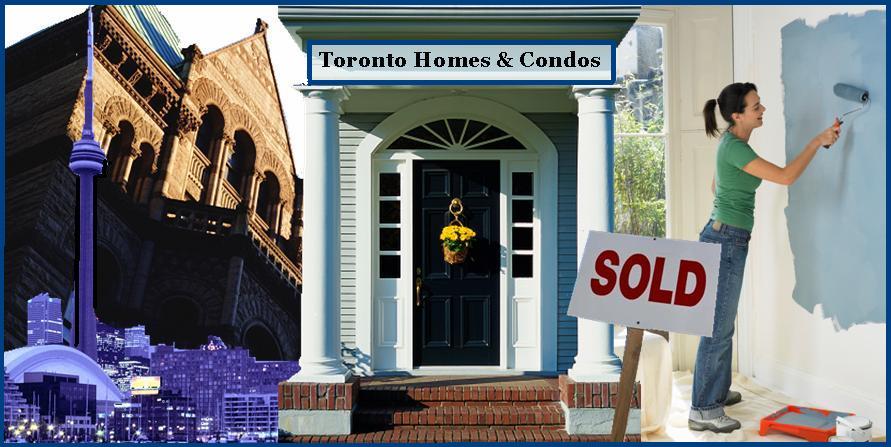
Incentives for first time home buyers, or for home owners to make improvements on their homes were included in the 2009 Federal Budget. Here are some examples of what is being offered:
RRSP Home Buyers Plan Improved
First time home buyers have had an increase in the withdrawal amount allowed from their RRSPs, from $20,000 to $25,000.
Money withdrawn from the RRSP is to be paid back within 15 years. If it is not, it will lose its tax deferred status, and if scheduled annual payments cannot be paid in full, the unpaid amounts must be reported as income.
Tax Credits For Home Buyers
First time home buyers have also seen some relief on a tax credit that can provide up to $750 in tax relief on the purchase of their first home. To qualify neither the homeowner, their spouse or common law partner can have owned and lived in another home in the year of purchase or any of the four preceding years.
Green Grants
Home and property owners can apply for grants of up to $5000 for making eligible energy-efficient improvements, such as upgrading furnaces, increasing insulation etc.
Tax Credits for Home Renovations
Now through January 31, 2010, homeowners can claim a tax credit for up to 15% of renovation expenses between $1,000 and $10,000. Listed below are some examples of what does and does not qualify:
Eligible
*renovating a kitchen, bathroom or basement
*new carpet or hardwood floors
*building an addition, deck, fence or retaining wall
*a new furnace or water heater
*painting the interior or exterior of a house
*resurfacing a driveway
*laying new sod
Ineligible
*purchase of furniture and appliances (e.g. refrigerator, stove, and couch)
*purchase of tools
*carpet cleaning
*maintenance contracts (e.g. furnace cleaning, snow removal, lawn care, and pool cleaning)
For more information on housing related stimulus in the 2009 Budget, visit the Canada Revenue Agency website at www.cra-arc.gc.ca and search for “Home Buyers Plan.”
Showing posts with label buying a home. Show all posts
Showing posts with label buying a home. Show all posts
Thursday, March 19, 2009

Tuesday, January 27, 2009
The Effects of the Land Transfer Tax on Real Estate Sales in Toronto
You’ve probably seen the news lately: real estate sales down by 50% compared to this time last year! Although there are many things to take into consideration like the changing economy and hesitation on behalf of Canadians while watching the real estate market in the states, there are still more sides of the story…
Take, for example, the effects of the Land Transfer Tax, a levy of up to 2% in addition to the province’s taxes, which took effect Feb. 1, 2008.
The C.D. Howe study, “Sand in the Gears”, reported a drop in the number of houses sold in Toronto from February, when the tax was implemented, until August, when the real estate market began to falter. Comparing Toronto sales with those in the suburbs, there has been a 16% decrease in sales and a 1.5% reduction in house prices.
City Councillor Shelley Carroll, the mayor's budget chief, is predicting that the effects felt by the land transfer tax should stabilize in a year or so, but added that the market was artificially inflated when some buyers hurried to purchase their property before it took effect.
None of us has a crystal ball to look into the future, but it will be interesting to see what the real estate numbers in February 2009 will look like. A little less askew?
Take, for example, the effects of the Land Transfer Tax, a levy of up to 2% in addition to the province’s taxes, which took effect Feb. 1, 2008.
The C.D. Howe study, “Sand in the Gears”, reported a drop in the number of houses sold in Toronto from February, when the tax was implemented, until August, when the real estate market began to falter. Comparing Toronto sales with those in the suburbs, there has been a 16% decrease in sales and a 1.5% reduction in house prices.
City Councillor Shelley Carroll, the mayor's budget chief, is predicting that the effects felt by the land transfer tax should stabilize in a year or so, but added that the market was artificially inflated when some buyers hurried to purchase their property before it took effect.
None of us has a crystal ball to look into the future, but it will be interesting to see what the real estate numbers in February 2009 will look like. A little less askew?
Thursday, May 1, 2008
Top 4 Features to look for in a Neighbourhood
Now that you’re in the market for buying a home, you may or may not have decided what type of neighbourhood you would like to live in. Choosing a neighbourhood is not just simply choosing a “nice area” based on a location that you prefer but buyers should also be looking for neighbourhoods with sustainable features when purchasing their home.
The Canada Home and Mortgage Corporation defines sustainable features as “an area that meets your needs while protecting the environment and leaving an affordable legacy.”[1] These types of features in an area can help to improve the quality of life as well as being a safe and pleasant place to live. These neighbourhoods can also include the following.
1. They provide close, convenient access to amenities such as work, schools, shopping, etc...This allows for people who are in these neighbourhoods to spend less time in cars driving and more time either commuting by public transportation or walking. This is a two pronged benefit because you are not only lowering the emissions levels being sent out into our environment, but also taking the time to invest in your health by walking or biking wherever possible.
2. They offer a variety of house types that give you the option of establishing a foundation within a neighbourhood that allows you to build roots, but also being an area that is able to move through life’s changes with you. For instance, you can find a neighbourhood that will allow you to purchase a home that you can start a family in. Then, as your family changes you can still stay within that same neighbourhood and find a home that best suits your changing needs.
3. They provide a safe and friendly atmosphere. No one wants to be stuck in a neighbourhood where they do not feel comfortable walking to the store. If you are going to build roots in this neighbourhood you want it to be somewhere that you will enjoy being.
4. It offers the best value for your dollar not just within the physical property but this refers back to the neighbourhood being easily accessible. Nowadays, most families have two cars for their household. However, if you are able to get around without the use of a second car then this cuts back on your costs for fuel and maintenance for two cars and therefore giving you a higher ROI.
As advantageous as sustainable features are, this option for choosing a neighbourhood is not for everyone. It isn’t advisable to look for a neighbourhood with these features if you are a home buyer who doesn’t want a smaller home to maintain or if you don’t mind commuting in traffic. However, with the benefits of sustainable features why wouldn’t you incorporate this into your home search?
You can find a list of Canadian cities that offer neighbourhoods with these important features at http://www.cmhc-schl.gc.ca/en/index.html.
[1] Thinking of Moving to A Different Home – www.chmc-schl.gc.ca/en/index.html
The Canada Home and Mortgage Corporation defines sustainable features as “an area that meets your needs while protecting the environment and leaving an affordable legacy.”[1] These types of features in an area can help to improve the quality of life as well as being a safe and pleasant place to live. These neighbourhoods can also include the following.
1. They provide close, convenient access to amenities such as work, schools, shopping, etc...This allows for people who are in these neighbourhoods to spend less time in cars driving and more time either commuting by public transportation or walking. This is a two pronged benefit because you are not only lowering the emissions levels being sent out into our environment, but also taking the time to invest in your health by walking or biking wherever possible.
2. They offer a variety of house types that give you the option of establishing a foundation within a neighbourhood that allows you to build roots, but also being an area that is able to move through life’s changes with you. For instance, you can find a neighbourhood that will allow you to purchase a home that you can start a family in. Then, as your family changes you can still stay within that same neighbourhood and find a home that best suits your changing needs.
3. They provide a safe and friendly atmosphere. No one wants to be stuck in a neighbourhood where they do not feel comfortable walking to the store. If you are going to build roots in this neighbourhood you want it to be somewhere that you will enjoy being.
4. It offers the best value for your dollar not just within the physical property but this refers back to the neighbourhood being easily accessible. Nowadays, most families have two cars for their household. However, if you are able to get around without the use of a second car then this cuts back on your costs for fuel and maintenance for two cars and therefore giving you a higher ROI.
As advantageous as sustainable features are, this option for choosing a neighbourhood is not for everyone. It isn’t advisable to look for a neighbourhood with these features if you are a home buyer who doesn’t want a smaller home to maintain or if you don’t mind commuting in traffic. However, with the benefits of sustainable features why wouldn’t you incorporate this into your home search?
You can find a list of Canadian cities that offer neighbourhoods with these important features at http://www.cmhc-schl.gc.ca/en/index.html.
[1] Thinking of Moving to A Different Home – www.chmc-schl.gc.ca/en/index.html
Subscribe to:
Posts (Atom)